
1 photovoltaic power station = 5 acres of farmland—just one panel can help the entire village achieve prosperity!
1 photovoltaic power station = 5 acres of farmland—just one panel can help the entire village achieve prosperity!
“ Environmentally friendly, with promising market prospects and significant growth potential, photovoltaic power generation has become a key component of strategies aimed at poverty alleviation. ”。
As long as there's sunlight, you can generate electricity. Any excess power produced—beyond what’s used at home—can be sold back to the national grid, providing a steady monthly income.
These days, rural areas are embracing all sorts of innovative photovoltaic industries—even offering "wedding-day solar panels" as part of their offerings. Farmers' mindsets are evolving alongside the changing times. But how can they truly boost their incomes?
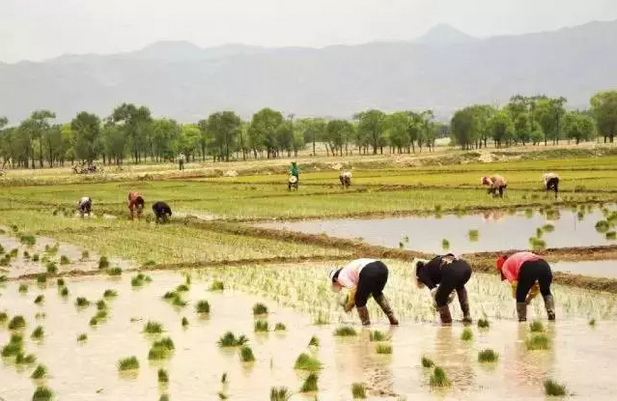
In Tianyuan Village, Anqing City, Anhui Province, villagers used to grow only 1 With rice yields poor, farmers even end up losing money instead of making a profit. But now, 1 Photovoltaic panels have given villagers income equivalent to that of five or six mu of farmland, helping them rapidly escape poverty and achieve prosperity. But how exactly did this happen?
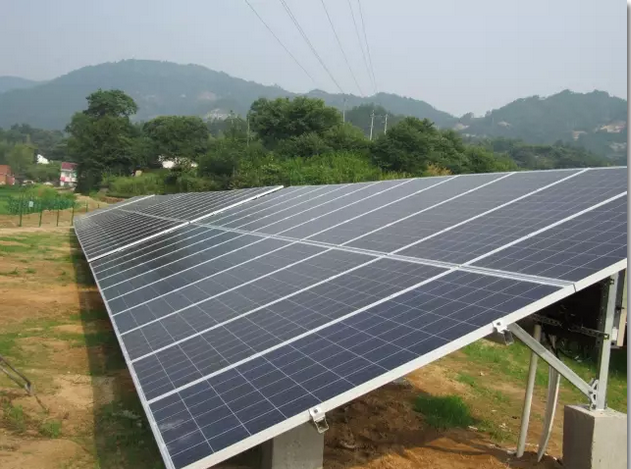
Government-sponsored installation Villagers save time and effort.
The scale of the village-level collective photovoltaic project in Tiyuan Village 120 kW—construction funding is supported by the city’s poverty alleviation fiscal funds, with 200,000 yuan provided, while the remaining amount will be covered through a loan from a local company. Power generation revenue is automatically credited to villagers’ accounts every quarter, making it hassle-free and effortless.
Impoverished households secure stable income Equivalent to five or six mu of rice paddies.
For poverty-stricken households benefiting from photovoltaic power generation, the average daily output of their solar power plants is 10–12 degrees Celsius, providing a stable income of over 3,000 yuan annually—equivalent to cultivating five or six mu of rice paddies.
Village collective income increases by over 10,000 yuan Achieving an economic breakthrough
After the Tiyuan Village collective built and connected a photovoltaic power station to the grid, it now generates an average of approximately [amount] kilowatt-hours per day. At 350 degrees, it generates an average of over 130,000 kilowatt-hours of electricity annually, yielding economic benefits exceeding 130,000 yuan. This represents a significant breakthrough for the village's collective economy and serves as a solid foundation for helping villagers escape poverty.

Ling Xianlong, the first secretary of Tiyuan Village, said that they must actively address various challenges and widely promote the implementation of photovoltaic poverty alleviation projects.
So, how exactly is developing photovoltaics in rural areas beneficial?
I. Rural areas' unique characteristics make them well-suited for photovoltaic power generation.
Rural areas have low population density and modest electricity consumption, making them ideal for photovoltaic development. Just 25 square meters of PV modules can already meet the power needs of rural households.
2. Reduce Power Supply Duration
Rural grid construction projects, due to their massive scale, often require several years of waiting before electricity becomes available. In contrast, photovoltaic power stations offer a self-sufficient energy solution for rural households in remote areas—simply install the system, and with sunlight shining on it, enough electricity can be generated for daily use.
3. Photovoltaics can help save on transmission line costs.
The rural population is vast, and with the increasing electricity consumption in recent years, upgrading and modernizing the power grid has become a financially demanding undertaking. However, if rural areas adopt "on-site generation and immediate use" photovoltaic systems, it would not only help save costs associated with transmission lines but also significantly reduce energy losses during electricity delivery.
4. Photovoltaic Power Generation: Empowering Farmers with Greater Energy Independence
Power outages and interruptions are common when electricity is transmitted through the national grid, severely disrupting daily life. However, when households generate their own solar power for personal use, they can completely sidestep these issues. Moreover, young entrepreneurs with innovative ideas can even launch projects like "photovoltaic vegetable greenhouses" in rural areas. This clearly demonstrates that solar power generation is perfectly suited for rural development—both the environment is highly favorable, and now is the ideal time to take advantage of it!
5. Government Encouragement
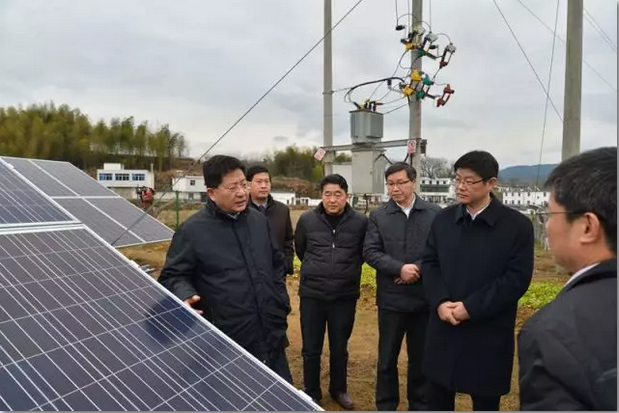
The country provides strong support, and leaders have repeatedly visited rural areas to inspect photovoltaic poverty-alleviation projects.
6. Clear Policies
Subsidy method: The grid company disburses payments monthly or quarterly on your behalf. Access to the national grid is "free," and your electricity meter will be replaced.
Subsidy amount: Photovoltaic power generation receives a full subsidy of 0.42 yuan per kWh, with the subsidy continuing for 20 years—and in addition, local governments in various provinces and cities provide supplementary incentives.
7. Lower Costs
With China's large-scale production in the photovoltaic industry, installed capacity prices have clearly dropped.
8. High subsidy amounts
Due to the declining costs of photovoltaic systems, the national subsidies for newly installed PV systems are expected to be reduced. Additionally, local subsidy programs are still available for installations made today.
Related News

Add: No. 22 Tengren Road, Shunyi District, Beijing
Email: info@bjhpy.com
Consultation Hotline:
86-010-60480298

Follow us
Contact:
Email:
Tel:
WeChat:
在线客服添加返回顶部
右侧在线客服样式 1,2,3 1
图片alt标题设置: Helpyou New Energy
表单验证提示文本: Content cannot be empty!
循环体没有内容时: Sorry,no matching items were found.
CSS / JS 文件放置地