
Solar inverters and integrated inverter-controller units
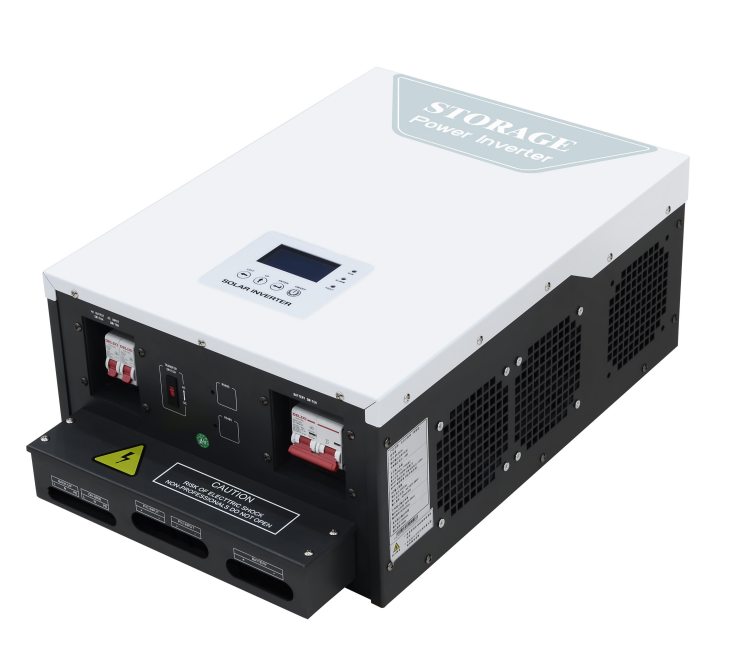
A bidirectional energy storage inverter, combined with solar panels, energy storage batteries, and the power grid, can create a multi-energy complementary power system. This setup provides three distinct power sources to the load terminals, ensuring both the stability and safety of the供电 system while also delivering significant economic benefits. The system can operate either connected to the grid or entirely off-grid. When grid power is stable, solar-generated electricity can be fed directly into the grid. However, if grid power becomes unstable or unavailable, the system automatically switches to an off-grid configuration, using solar energy, stored batteries, and the inverter to supply power directly to the load. Additionally, utility power can be used to recharge the energy storage batteries.
Solar inverters and integrated inverter-controllers are the primary equipment used in solar power systems.
Solar inverters are categorized into off-grid inverters, grid-tied inverters, bidirectional energy storage inverters, and more. Their primary function is to convert direct current (DC) into alternating current (AC), making it available for powering electrical loads.
In a solar off-grid power system, which consists of solar modules, a solar controller, a photovoltaic off-grid inverter, and energy storage batteries, the primary function of the solar off-grid inverter—or the integrated solar inverter-controller—is to convert the electricity generated directly or indirectly by solar power into single-phase or three-phase AC power, supplying it to connected devices. The inverter also features independent low-voltage and overvoltage discharge protection, as well as overload and short-circuit output protection mechanisms.
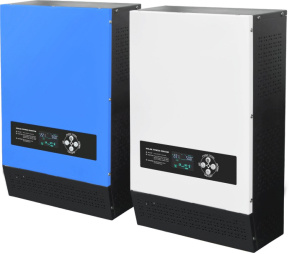
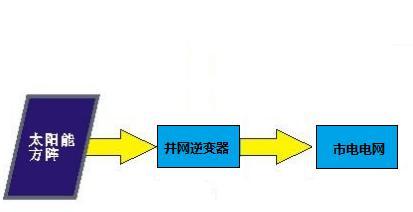
The grid-tied inverter is an indispensable component in a solar grid-connected system. The system primarily consists of solar modules, a combiner box, a grid-tied inverter, a mounting structure, and a monitoring system. Its main function is to directly convert the DC electricity generated by solar energy into AC power, which can then be used to supply electricity to connected devices. Importantly, the grid-tied inverter must operate simultaneously with the utility grid—when the grid goes down, solar power generation automatically ceases. Once the grid power is restored, the inverter promptly resumes generating electricity.
A bidirectional energy storage inverter, combined with solar panels, energy storage batteries, and the power grid, can create a multi-energy complementary power system. This setup provides three distinct power sources to the load terminals, ensuring both the stability and safety of the供电 system while also delivering significant economic benefits. The system can operate either connected to the grid or entirely off-grid. When grid power is stable, solar-generated electricity can be fed directly into the grid. However, if grid power becomes unstable or unavailable, the system automatically switches to an off-grid configuration, using solar energy, stored batteries, and the inverter to supply power directly to the load. Additionally, utility power can be used to recharge the energy storage batteries.
Hepuyu New Energy welcomes your inquiries and visits anytime. Call us at 18001286295.
Related News

Add: No. 22 Tengren Road, Shunyi District, Beijing
Email: info@bjhpy.com
Consultation Hotline:
86-010-60480298

Follow us
Contact:
Email:
Tel:
WeChat:
在线客服添加返回顶部
右侧在线客服样式 1,2,3 1
图片alt标题设置: Helpyou New Energy
表单验证提示文本: Content cannot be empty!
循环体没有内容时: Sorry,no matching items were found.
CSS / JS 文件放置地